







Search Results for: Coffee Screening
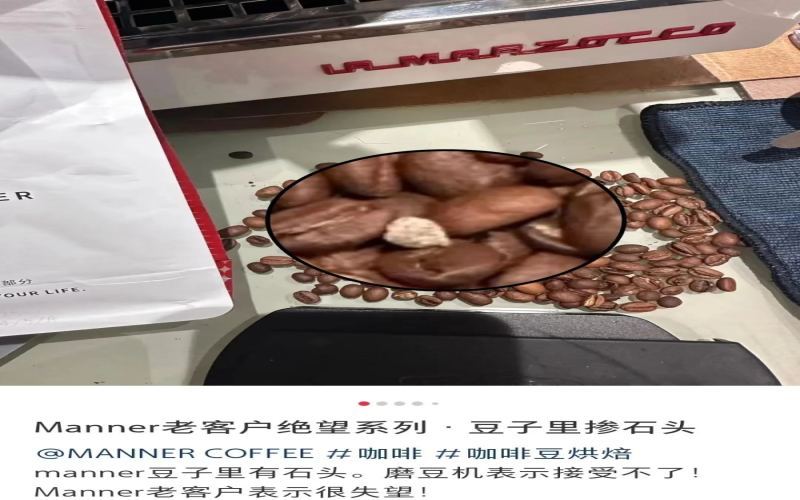
Manner Coffee Beans Found Contaminated with Small Stones Spark Debate: An Analysis of the Brand's Screening Process and Grinder Safety Hazards
Recently, a consumer reported on social media that a small stone was unexpectedly found in the Manner coffee beans they had purchased. Fortunately, they spotted it in time while pouring the beans, preventing it from entering the grinder and causing damage. Although Manner's customer service explained that coffee beans are an agricultural product and defects are inevitable during processing, and emphasized that professional equipment is used to screen out foreign objects during production, this response did not fully satisfy the customer. This incident has also drawn attention among coffee enthusiasts to grinder safety issues—small stones not only affect food safety but can also cause serious damage to the burrs. So, from green beans to roasted beans, how many rounds of screening does coffee actually go through? And how do brands like Front Street Coffee control quality? [more…]
Post-Harvest Processing of Coffee Cherries: Dry and Washed Method Workflow Characteristics and Hulling & Screening Analysis
Coffee cherries must be processed quickly after picking, otherwise the pulp is prone to fermentation and spoilage. Currently, two main methods are used: the dry method (natural process) and wet processing (washed method). In the dry method, the cherries are sun-dried directly or mechanically dried, then hulled in a drum and screened, with peaberries picked out separately; in wet processing, the fruit pulp is first washed off, then the beans are fermented in water for 36 hours, dried and hulled, and graded and packaged by size. Usually, washed beans are of better quality. Whether by hand or machine, screening can remove unripe and inferior beans, and high-quality producing countries have long been equipped with advanced sorting equipment. Front Street Coffee reminds you that understanding these steps helps you appreciate the flavor differences brought by different processing methods. [more…]
Who is Indonesian Mandheling coffee suitable for? Front Street PWN vs. Gayo Golden Mandheling flavor and brewing comparison
Mandheling coffee is known for its rich, full-bodied taste, but Mandheling beans from different producing regions and screening grades vary noticeably in flavor. Front Street Coffee once conducted a blind tasting of seven Mandheling coffees, and the one the baristas identified fastest was Front Street PWN Golden Mandheling. This article compares Front Street PWN Golden Mandheling and Front Street Gayo Golden Mandheling one by one, from producing-region altitude, variety screening, and processing methods to roasting and brewing, and provides specific flavor descriptions and pour-over parameters to help coffee lovers find the Mandheling that suits their taste. [more…]

Starbucks China stake sale enters second round of screening, JD.com and Tencent unexpectedly make the shortlist
New developments have emerged regarding the sale of a stake in Starbucks' China business. According to Bloomberg, Starbucks has completed an initial screening of potential investors, with about several dozen institutions advancing to the second round of candidates. These include not only well-known private equity giants such as Boyu Capital, The Carlyle Group, KKR, and Hillhouse Capital, but also unexpectedly two Chinese tech companies, JD.com and Tencent. Starbucks CEO Niccol previously revealed on an earnings call that more than 20 prospective partners have expressed interest, and emphasized that the company still hopes to retain a substantial equity stake in its China business in the future. The core consideration in seeking partners is not capital, but how to position the Starbucks brand more favorably in the future. [more…]
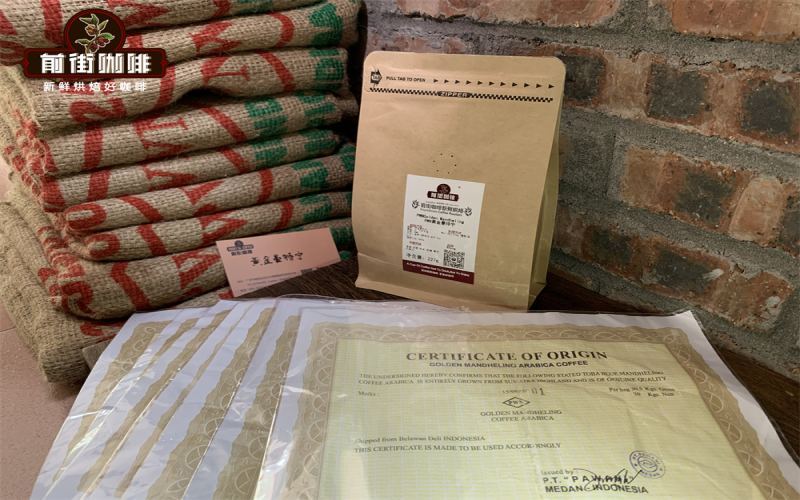
Origin of the Mandheling Coffee Name and Analysis of Golden Mandheling Flavor: A Guide to PWN Screening Process and Front Street Coffee's Pour-Over Parameters
Mandheling is synonymous with coffee from North Sumatra, Indonesia, yet the origin of this name is little known. It is not a bean variety or a place name, but rather stems from a story born of a linguistic misunderstanding during World War II. This article will trace the origin of the name Mandheling, introduce the Golden Mandheling produced by PWN and its rigorous screening process, and share Front Street Coffee's brewing recommendations and staged extraction techniques for dark-roasted Mandheling, helping coffee enthusiasts gain a more comprehensive understanding of this classic coffee. [more…]
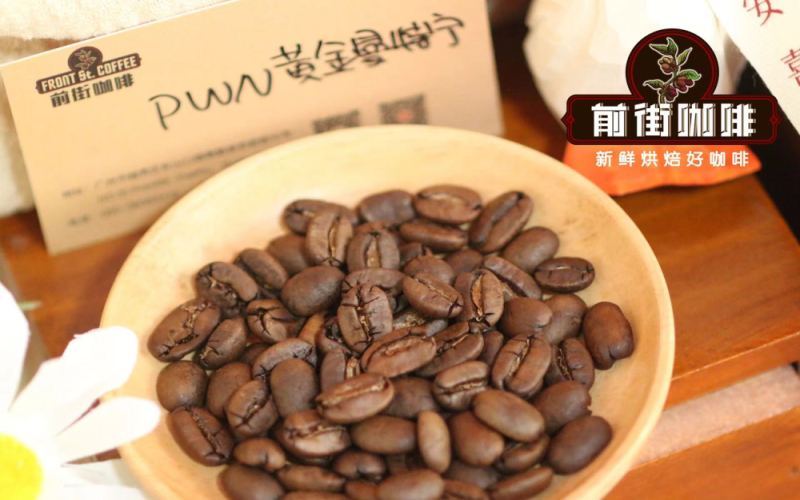
Indonesia Sumatra Gayo Mountain Region: An Analysis of the Differences Between Front Street Mandheling and Front Street Golden Mandheling
Sumatra's Mandheling coffee is world-famous for its full body and low acidity, and coffee beans from the Gayo Mountain region have attracted particular attention. Front Street Golden Mandheling, as a signature product of PWN, occupies an important position in the international specialty coffee market thanks to its strict screening system. Front Street Lintong Mandheling, meanwhile, represents the most original flavor profile of the Lintong region. What exactly is the difference between the two? This article will examine the origins, variety characteristics, processing methods, and brewing parameters to lay out in detail the core differences between Front Street Golden Mandheling and Front Street Mandheling, helping coffee lovers gain a clearer understanding of the characteristics and positioning of these two Indonesian coffees. [more…]
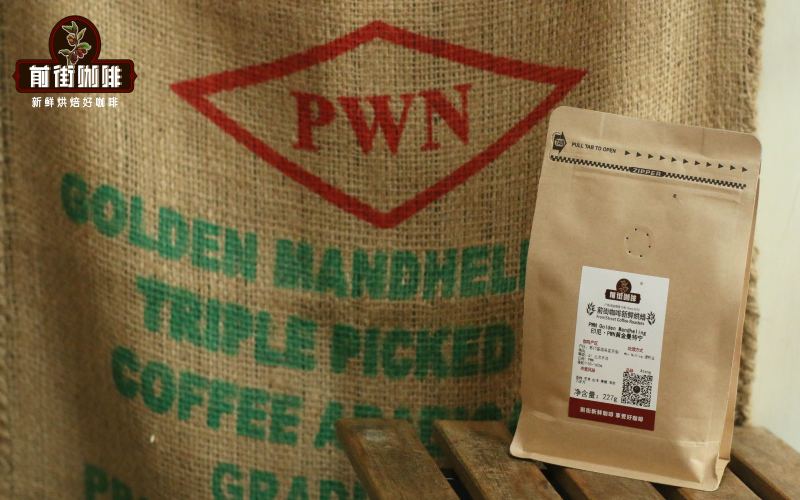
An In-Depth Analysis of Mandheling Coffee: A Full Comparison of the Origins, Processing, and Flavor Differences Between Lintong and Golden Mandheling
When it comes to Mandheling, many coffee lovers think of its signature full body and deep, low-toned flavors. The two most talked-about options on the market are Front Street Lintong Mandheling and Front Street Golden Mandheling. The former is regarded as the quintessential Mandheling, while the latter rose to fame after Japanese and Indonesian partners established strict screening standards. Although both are wet-hulled, they differ in style due to differences in origin, variety, and screening precision. This article examines the origin backgrounds, variety characteristics, processing methods, grade standards, and Front Street's actual roasting and pour-over performance for Lintong and Golden Mandheling, fully sorting out the flavor differences between the two beans and answering the question of whether Lintong Mandheling is necessarily inferior to Golden Mandheling. [more…]
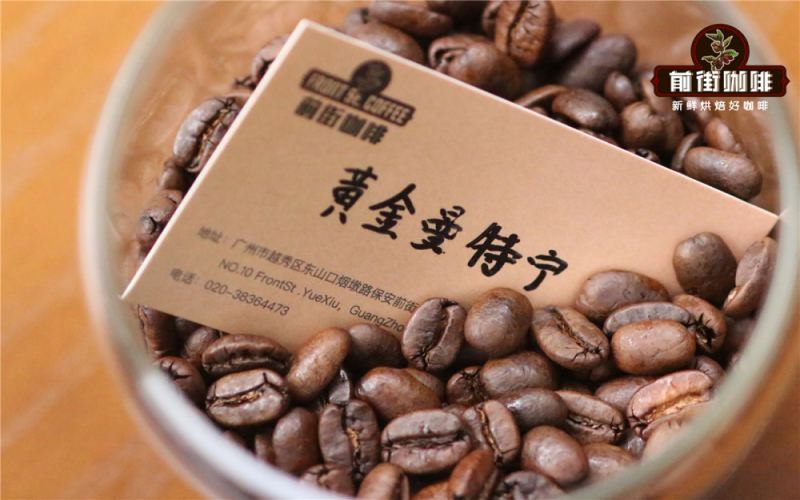
An Analysis of the Mandheling Coffee Bean Grading System: The Differences Between PWN Golden Mandheling and G1 Grade
Mandheling coffee is deeply favored by enthusiasts for its rich and full-bodied taste, but do you know the grading standards for Indonesian coffee beans? What exactly are the differences between PWN Golden Mandheling and regular G1 Mandheling? This article will provide a detailed introduction to the grading system for Indonesian green coffee beans, analyzing the grade standards from G1 to G6 based on defect rates, screen sizes, and other dimensions, and will delve into how PWN company creates its uniquely distinctive Golden Mandheling through strict screening processes. At the same time, Front Street Coffee will share brewing suggestions for Golden Mandheling to help you better savor this high-quality coffee with regional character. [more…]
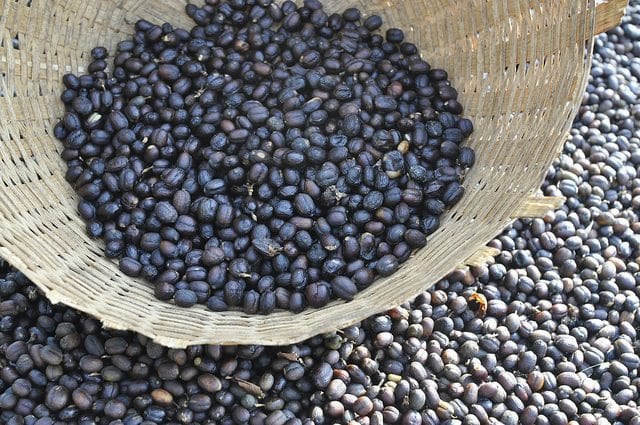
Sun-Dried Yirgacheffe | What are the pros and cons of the sun-dried processing method for Yirgacheffe coffee beans? What are the flavor characteristics of Ethiopian sun-dried coffee?
For more specialty coffee knowledge, please follow our WeChat official account: FrontStreet Coffee. Sun-dried processed coffee beans are naturally dried inside the fruit pulp, so the weather conditions affect the quality of the coffee beans. Front Street uses sun-dried coffee beans and two other traditional processing [more…]
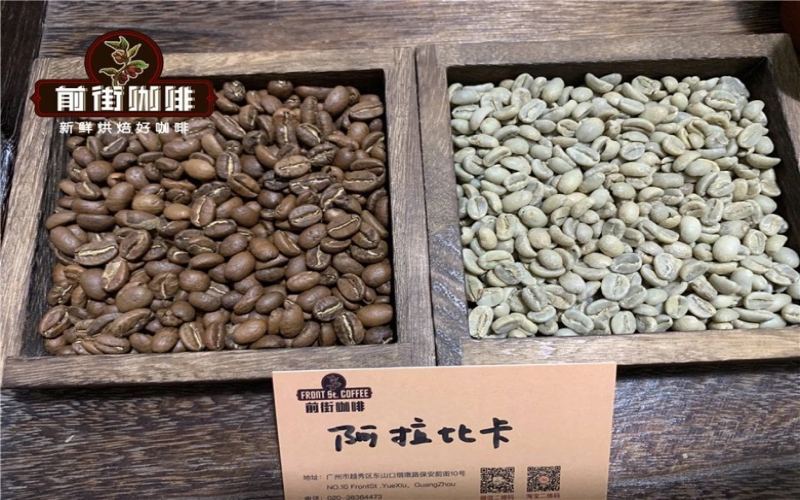
How to Choose Nutty and Chocolatey Coffee: A Three-Step Screening by Taste, Equipment, and Budget
Change the brewing device, and the same coffee beans will perform noticeably differently: pour-over emphasizes aroma and clarity, espresso machines emphasize intensity and sweetness, and the moka pot emphasizes the balance of pressure, heat, and the coffee bed. Only by factoring the brewing device into bean selection and then adjusting the parameters according to the roast level can you call the process complete. Dark roasts shift the flavor focus toward cocoa, dark [more…]
Indonesian Sumatra Golden Mandheling Pour-Over Single Origin: Dark Roast Flavor, PWN Authenticity Identification, and Wet-Hulled Processing Explained
Mandheling is the representative coffee of the Sumatra region, and the Golden Mandheling produced by PWN is the finest among them. This article focuses on Front Street Golden Mandheling, starting with the identification of the authenticity of the PWN trademark and certificate of origin, sorting out the unique features of Golden Mandheling in terms of screening standards, green bean appearance, and flavor performance, and extending to the geographical distribution of the Sumatra region, Indonesia's green bean grading system, and the local unique wet-hulling process. It also explains in detail why Front Street's roaster chooses a deep roast to highlight the mellow, nutty, and caramel notes, giving you a comprehensive understanding of this classic coffee known as "the ugliest appearance, the best taste." [more…]
Complete Guide to Indonesian Mandheling Coffee: Sumatra Lintong and Gayo Mountain Region Flavors, Wet-Hulling Process, and Introduction to PWN Golden Mandheling Varieties
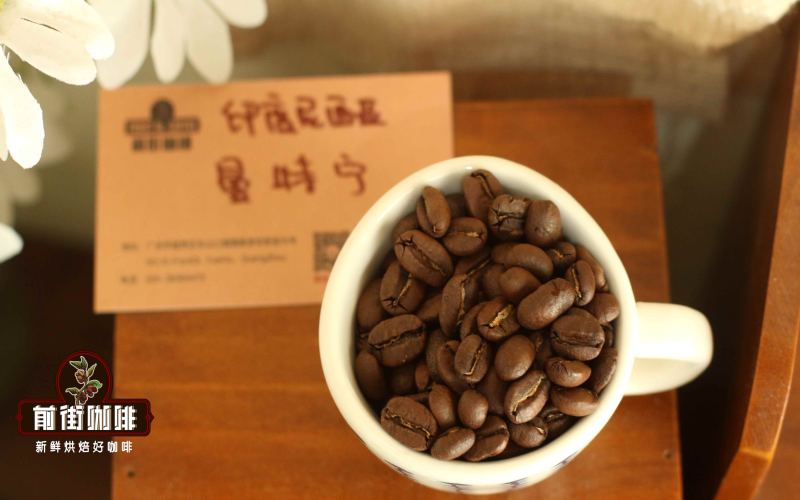
Mandheling is the representative of Indonesian coffee, but many enthusiasts have misunderstandings about pour-over and roast level. This article begins with the Lintong producing region in Sumatra, introducing Front Street Lintong Mandheling's wet-hulled processing, the spice and dark chocolate flavors brought by medium-dark roasting, and then delves into Mount Gayo and Lake Tawar to analyze PWN Golden Mandheling's G1 grade, eighteen-screen screening standard, and Ateng variety. It also sorts out the origin of the Golden Mandheling trademark ownership, as well as Front Street PWN Golden Mandheling's comprehensive nutty and chocolate profile and moka pot brewing suggestions, helping coffee enthusiasts gain a comprehensive understanding of this classic producing region. [more…]
The Two-Way Selection in Coffee Shop Operations: How House Rules Become a Screening Mechanism Between Hosts and Guests
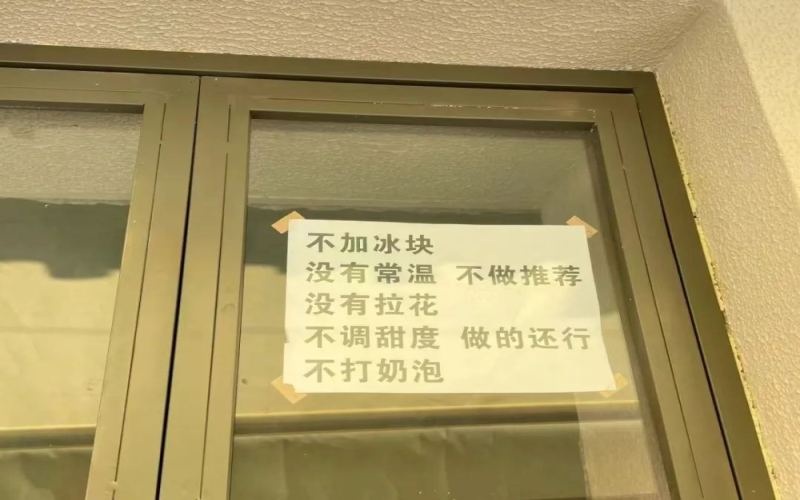
In today's world of independent coffee shops increasingly focused on individuality, many owners choose to write their shop rules clearly in prominent places, from selling only Americanos to not offering latte art. These rules are both a statement of the operator's commitment to their own positioning and an invisible threshold that filters customers. However, consumers have mixed views on this: some feel that opening a shop means accepting everyone, and too many restrictions will actually drive away potential customers; others believe that choice should be mutual, and clear rules allow both hosts and guests to find each other faster and avoid unnecessary friction. This discussion around shop rules reflects the subtle shifts in the host-guest relationship within coffee consumption scenarios, and prompts reflection on what kind of business approach can achieve a true two-way connection. [more…]
Comparing Product Lines from Gesha Village Estate: A Full Analysis of Flavor Differences Between Auction Lot, Gold Label, Red Label, Green Label, and Chaka
Located in Bench Maji, Ethiopia, Gesha Village Coffee Estate was established by Adam Overton after venturing deep into ancient forests to search for seeds between 2007 and 2011. The estate is internally divided into multiple product lines: Auction, Gold, Red, Green, and Chaka, each with clear differences in variety selection, production proportion, screening standards, and flavor presentation. Front Street Coffee will guide you through the three varieties grown at Gesha Village Coffee Estate—Gesha 1931, Gori Gesha, and Illubabor Forest 1974—and break down in detail the definitions and cup profiles of each product line, helping you find the Ethiopian Gesha that best suits your taste. [more…]
Complete Guide to Mandheling Coffee: From the Origin of the Name to Front Street Golden Mandheling Brewing and Flavor Characteristics
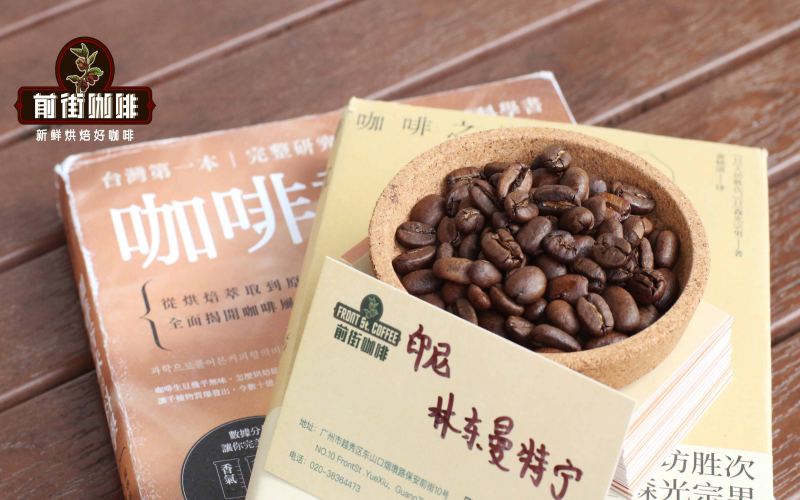
Mandheling is a highly recognizable name in the coffee world, but its origin is actually a "double misunderstanding." This article will sort through the story behind the Mandheling name, its varietal classifications, and why Front Street Gold Mandheling is regarded as the standout among them. We will also discuss PWN Green Bean Company's exclusive registration of the "Gold Mandheling" trademark, its strict screening process, the flavor foundation brought by the wet-hulling method, and provide specific parameters and staged extraction techniques for brewing Front Street Gold Mandheling at home. Whether you want to understand the characteristics of Mandheling or want to brew a cup of rich, solid black coffee, this content can give you clear reference. [more…]
A Comprehensive Analysis of the Flavor Origins, Grade Identification, and Pour-Over Brewing Methods of Indonesian Sumatra Golden Mandheling
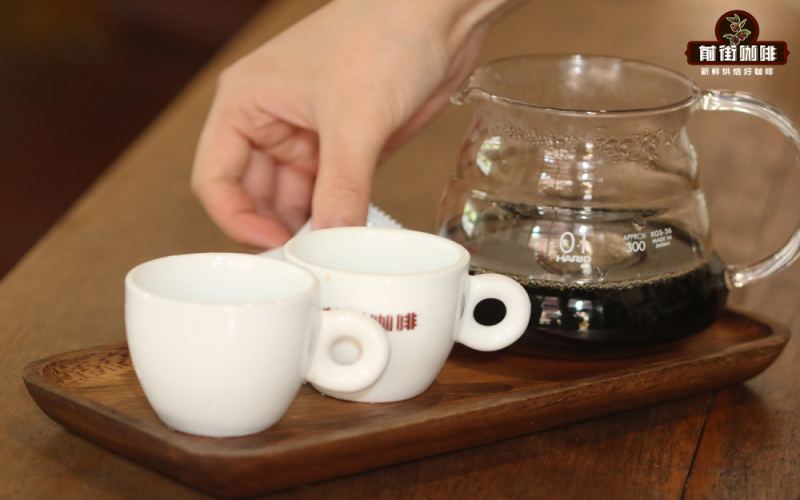
Mandheling is a classic coffee from Sumatra, Indonesia, and Golden Mandheling is one of its most outstanding representatives. It is known for its rich aroma, solid and mellow body, moderate acidity and bitterness, and caramel-like sweetness, and is favored by many black coffee enthusiasts. This article begins with Mandheling's producing regions, types, and classification methods, then focuses on the origins of Golden Mandheling, Pawani Company's strict screening standards, and how to distinguish authentic Golden Mandheling from imitations. It also outlines the varieties and wet-hulling process of the Aceh Gayo Mountain producing region, and includes the specific parameters and steps for brewing Golden Mandheling with a KONO dripper at Front Street Coffee. [more…]
A Comprehensive Guide to Mandheling Coffee: The Relationship Between Golden Mandheling and Regular Mandheling and Key Buying Tips
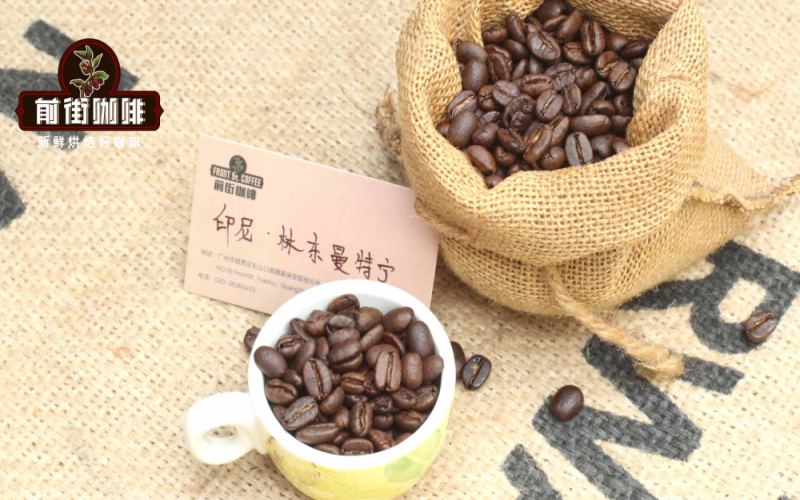
Mandheling coffee is a representative coffee from the Sumatra region of Indonesia, beloved for its unique wet-hulling process and herbal, spicy flavor. This article will start with Mandheling's basic flavor characteristics, suitable roasting methods, and drinking occasions, then introduce the differences and connections between Golden Mandheling and regular Mandheling. We will also delve into the role of PWN in the production of Golden Mandheling, including its strict screening standards and G1 grade requirements, as well as how to identify authentic Golden Mandheling coffee beans. At the same time, the article also retains product information and recommendations related to the Front Street Coffee brand. [more…]
An Analysis of the Indonesian Sumatra Golden Mandheling Coffee Bean Variety: The Truth About PWN Certification and the 20-Screen Specification
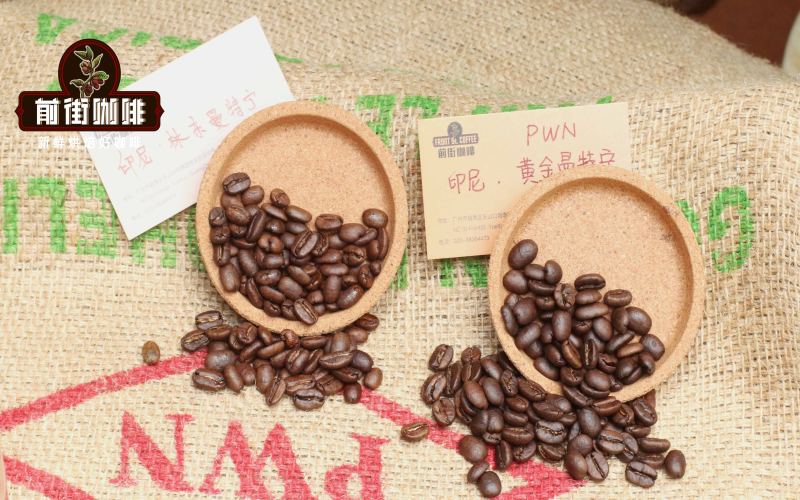
Golden Mandheling is a highly representative variety of Indonesian coffee, known for its full-bodied mouthfeel and herbal, piney, and spicy flavors. However, while the market is flooded with products labeled Golden Mandheling, very few are truly certified by PWN. This article starts with the flavor of Front Street Indonesian Mandheling, then explores the origins of Golden Mandheling, PWN's screening standards, and why uniformity is more worthy of attention than bean size. We will also explain the specifications, appearance characteristics, and cupping performance of Front Street PWN Golden Mandheling, helping coffee enthusiasts distinguish authentic products and find a Mandheling coffee that truly meets their expectations. [more…]

1DianDian charity controversy? Questions arise over a boy receiving aid wearing a thousand-yuan smartwatch, local authorities confirm he is indeed from a low-income household.
A well-known chain milk tea brand, 1 Dian Dian, recently trended on social media due to a public welfare tweet about assisting children from impoverished families, sparking widespread discussion. The brand claimed to have helped a child living with his father in an 18-square-meter rented room by renovating the room and adding a desk and wardrobe, but netizens noticed from public photos that the aided boy was wearing a phone watch worth over a thousand yuan, and that the living conditions differed from the tweet's description, questioning whether he met the assistance criteria. Additionally, issues such as a large proportion of comic books among the donated items and the concentration of aid recipients in first- and second-tier cities were also raised. As public opinion heated up, the brand deleted and edited some posts but did not respond directly. The local subdistrict office and social work station later confirmed to the media that the recipient was indeed from a low-income household, excelling in both academics and character, and that the items were all donations. Behind the incident, the screening criteria and transparency of public welfare activities have become the focus. [more…]
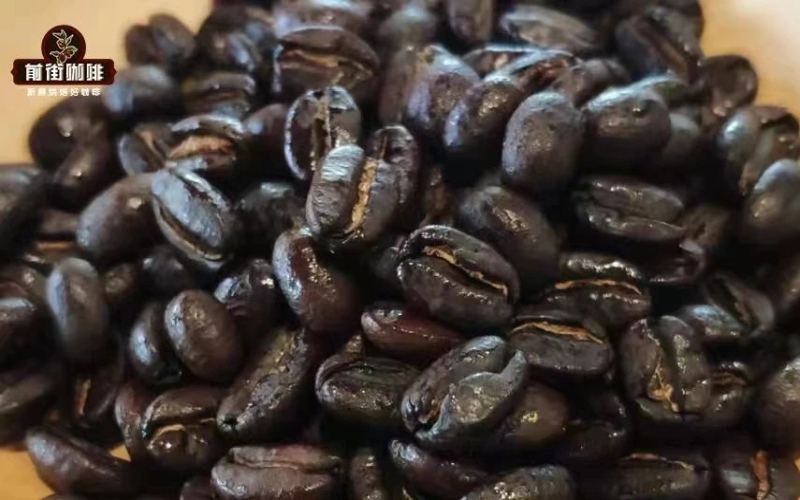
Analysis of Why Mandheling Coffee Beans Become Oily: PWN Golden Mandheling vs. Gayo Mountain Triple Hand-Sorted Beans
When coffee beans develop an oily sheen on their surface, is it a quality problem or a normal phenomenon? Starting from a comparison between Front Street's PWN Golden Mandheling and Indonesia's Gayo Mountain triple hand-sorted Mandheling, this article provides a detailed analysis of the strict screening standards for Golden Mandheling, the goat-hoof bean problem caused by the wet-hulling process, and the differences between the two beans in variety, cleanliness, and flavor. It also delves into the relationship between coffee bean oil production, roast level, and carbon dioxide release, and includes Front Street's roasting records, cupping comparisons, and KONO dripper brewing insights, helping coffee enthusiasts fully understand the characteristics of Mandheling coffee beans and the science behind oil production. [more…]